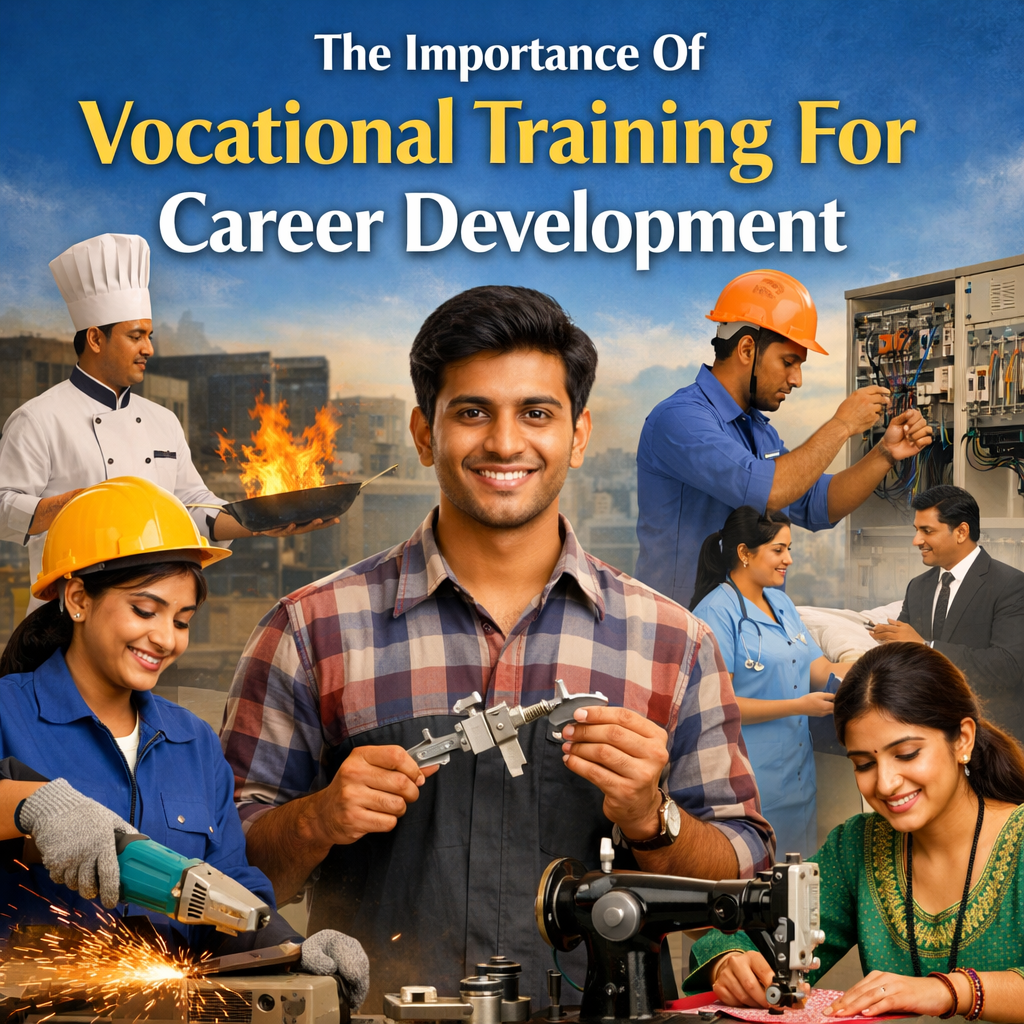
In today’s rapidly evolving job market, choosing the right career path is more important than ever. While traditional education continues to hold value, there is a growing recognition that practical skills and hands-on experience are equally essential. This is where vocational training plays a crucial role in shaping successful and sustainable careers.
Understanding Vocational Training
Vocational training focuses on equipping individuals with specific skills required for particular trades or professions. Unlike conventional academic programs, it emphasizes real-world application over theoretical knowledge. Whether it is healthcare, construction, IT, or hospitality, vocational training prepares individuals to step directly into the workforce with confidence.
Bridging the Gap Between Education and Employment
One of the biggest challenges many job seekers face is the gap between what they learn and what employers expect. Vocational training helps close this gap by aligning learning with industry requirements. Students gain practical exposure, learn to use industry tools, and develop job-ready skills that make them valuable from day one.
This approach not only improves employability but also reduces the time it takes to transition from education to employment.
Faster Entry Into the Workforce
Unlike traditional degree programs that may take several years to complete, vocational courses are often shorter and more focused. This allows individuals to start earning sooner and gain hands-on experience early in their careers.
For many, this means financial independence at a younger age and the ability to build a stable future without long periods of study or heavy educational expenses.
Enhancing Career Growth and Stability
Vocational training does not limit growth. In fact, it often creates strong career foundations. Individuals who start with technical skills can gradually move into advanced roles, including supervision, management, or even entrepreneurship.
As industries continue to expand, the demand for skilled professionals remains steady. This makes vocational training a reliable pathway to long-term career stability.
Building Practical and Life Skills
Beyond technical expertise, vocational training helps develop essential life skills. These include problem solving, communication, teamwork, and adaptability. Such skills are highly valued across all industries and contribute significantly to career advancement.
Employers increasingly prefer candidates who can perform tasks efficiently and adapt quickly to changing environments, qualities that vocational training naturally fosters.
Changing Perspectives on Career Choices
There has been a noticeable shift in how people view career success. More individuals are moving away from conventional paths and exploring skill-based careers that offer both satisfaction and financial security.
This change is supported by institutions that focus on skill development and industry readiness. Some platforms are quietly contributing to this transformation by offering structured training, practical exposure, and career support, helping learners navigate their professional journeys with greater clarity. Meritude, for instance, reflects this evolving approach by focusing on meaningful skill development aligned with real industry needs.
A Smart Choice for the Future
As the job market continues to evolve, adaptability and practical knowledge are becoming key drivers of success. Vocational training provides a smart and efficient way to gain both.
It empowers individuals to take control of their careers, explore diverse opportunities, and build a future based on real skills and real demand.
Conclusion
The importance of vocational training for career development cannot be overstated. It offers a direct, practical, and effective route to employment and long-term growth.
By focusing on skills that matter and preparing individuals for real-world challenges, vocational training lays the groundwork for successful careers. As more people recognize its value, it is set to become a cornerstone of modern education and professional development.