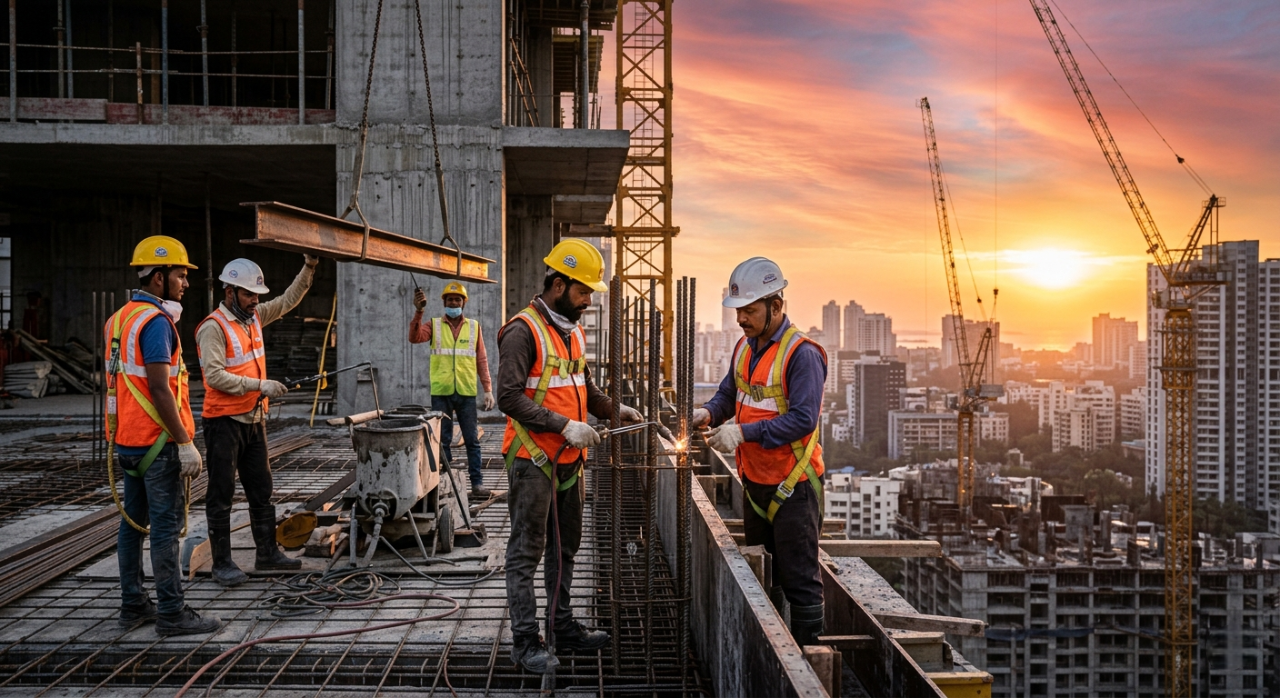
When we think about building a strong future, we often imagine degrees, corporate jobs, and digital careers. But what if the true foundation of life, both literally and metaphorically, lies elsewhere? Construction careers, often overlooked, play a crucial role in shaping the world around us. From the homes we live in to the roads we travel, construction professionals are the backbone of modern society.
Building More Than Structures
Construction is not just about bricks and cement. It is about creating safe spaces, enabling communities, and supporting economic growth. Every school, hospital, office building, and bridge stands as a testament to the skill and dedication of construction workers.
In many ways, construction careers offer something unique. There is real satisfaction in seeing tangible results. Unlike desk jobs where outcomes may feel abstract, construction allows individuals to witness the direct impact of their work every single day.
A Career with Stability and Demand
One of the strongest advantages of pursuing a career in construction is job security. As populations grow and urban areas expand, the demand for skilled workers continues to rise. Electricians, plumbers, masons, carpenters, and site supervisors are always in demand, not just locally but globally.
Additionally, construction careers are less likely to be replaced by automation compared to many other industries. While technology supports the field, the need for human skill, precision, and decision making remains essential.
Skills That Build a Lifetime
Construction work equips individuals with practical, hands on skills that can be used for a lifetime. These are not just job specific abilities but also life skills such as problem solving, teamwork, discipline, and adaptability.
Many young people today are discovering that traditional academic paths are not the only route to success. With the right training, they can quickly enter the workforce, gain experience, and build a stable income without accumulating significant debt.
The Role of Vocational Training
This is where vocational training quietly becomes important. Instead of focusing purely on theory, vocational programs emphasize real world skills, industry exposure, and job readiness. They help bridge the gap between learning and earning.
Institutions that focus on skill development are helping shape a new generation of professionals who are confident, capable, and ready to contribute from day one. Some organizations also provide placement support, industry connections, and continuous learning opportunities, making the transition into the workforce smoother and more effective.
Changing Perceptions, Creating Opportunities
For a long time, construction careers have been undervalued due to outdated perceptions. However, this is gradually changing. Today, skilled trades are being recognized for their importance, earning potential, and career growth opportunities.
With the right guidance and structured training, individuals can move from entry level roles to supervisory and managerial positions. Many successful professionals in the construction industry started with basic training and hands on experience.
A Foundation for the Future
Choosing a construction career is not just about building structures. It is about building a future. It offers independence, stability, and a strong sense of purpose.
As more people explore alternative career paths, the importance of skill based education becomes clearer. Platforms like Meritude are playing a role in this shift by supporting vocational learning and helping individuals find meaningful career opportunities in industries that truly matter.
Conclusion
The world we live in is built by the hands of skilled professionals. Construction careers deserve more recognition, not just as jobs but as essential contributions to society.
By embracing vocational training and skill development, individuals can create strong foundations for their lives. This approach supports a future that is stable, practical, and full of opportunity.