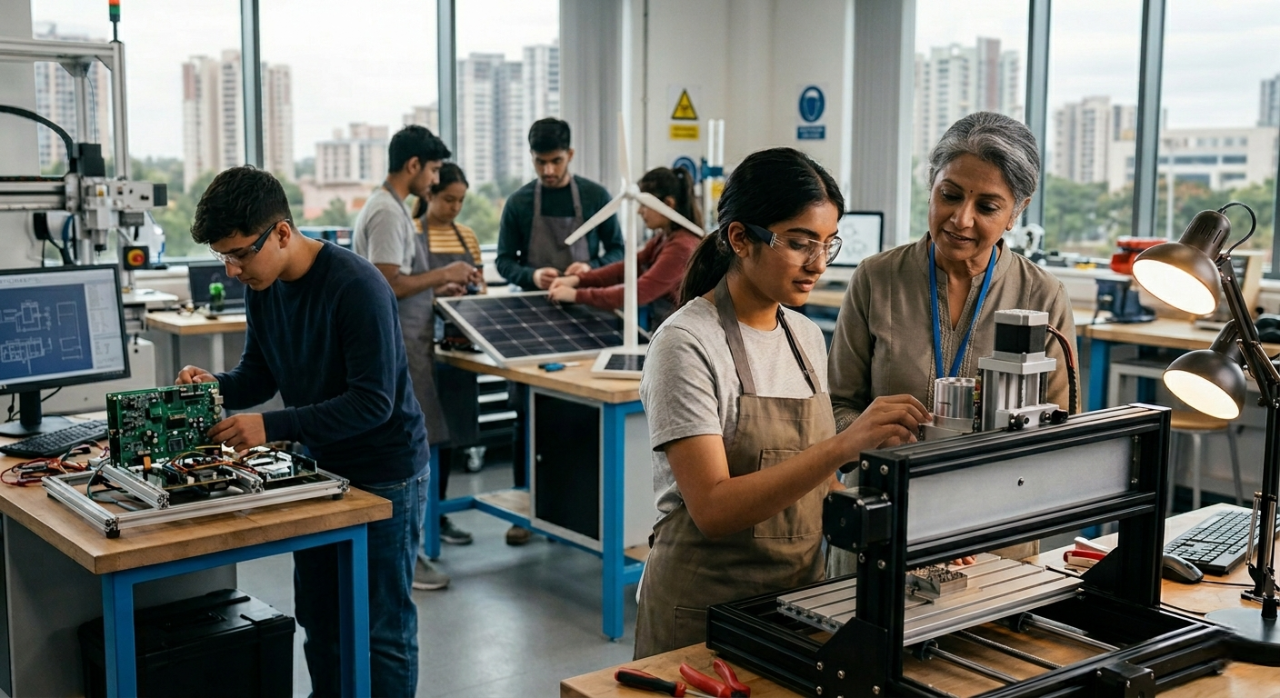
The global economy is changing faster than ever. Rapid technological advancement, automation, and shifting industry demands are transforming how people work and how businesses operate. As industries evolve, many workers find themselves needing new skills to remain competitive in the job market. This raises an important question: can vocational education help ensure fair transitions for workers in a changing economy?
Vocational education is increasingly being recognized as a practical solution for individuals seeking to adapt to new economic realities while maintaining stable and meaningful careers.
Understanding Economic Transitions
Economic transitions occur when industries change due to innovation, policy shifts, environmental priorities, or global market trends. For example, automation has reshaped manufacturing, digital transformation has redefined service industries, and sustainability initiatives are influencing sectors such as construction, energy, and transportation.
While these changes create new opportunities, they can also leave many workers uncertain about their future. Without access to the right training and resources, individuals may struggle to adapt to new roles or industries.
A fair transition means ensuring that workers are not left behind during these shifts. It requires systems that support reskilling, upskilling, and career mobility.
The Role of Vocational Education
Vocational education plays a key role in helping individuals navigate these transitions. Unlike traditional academic pathways, vocational programs focus on practical skills that are directly aligned with industry needs. This approach allows individuals to learn relevant skills more quickly and apply them immediately in real work environments.
From technical trades and digital skills to healthcare and service sectors, vocational training prepares individuals to meet the demands of emerging industries. By emphasizing hands-on learning, vocational education helps people move from outdated job roles into new opportunities with confidence.
Supporting Workforce Adaptability
In a rapidly evolving economy, adaptability is one of the most valuable skills a worker can possess. Vocational education encourages continuous learning, allowing individuals to upgrade their skills throughout their careers.
Shorter training cycles and flexible programs make vocational learning accessible to a wide range of people, including young professionals entering the workforce and experienced workers seeking to change career paths.
This adaptability strengthens both individuals and industries. Employers benefit from a workforce that is prepared to meet changing demands, while workers gain the confidence and ability to pursue new opportunities.
Promoting Inclusive Economic Growth
Fair economic transitions require inclusivity. Not everyone has the time, financial resources, or circumstances to pursue long academic programs. Vocational education provides an alternative pathway that is often more accessible and affordable.
By focusing on practical skills and industry collaboration, vocational programs can create opportunities for individuals from diverse backgrounds. This helps reduce employment gaps and supports broader economic participation.
Organizations that emphasize skill development are gradually reshaping how workforce preparation is approached. Some training platforms are quietly working to connect learners with industry relevant programs and career guidance. Initiatives like those encouraged by Meritude highlight how structured vocational learning can help individuals prepare for evolving job markets without unnecessary barriers.
Aligning Education with Industry Needs
One of the strongest advantages of vocational education is its ability to stay closely aligned with industry requirements. Many programs collaborate directly with employers to ensure training reflects real workplace expectations.
This alignment improves employability and reduces the disconnect between education and employment. Instead of spending years studying concepts that may not translate directly into job roles, learners gain skills that employers actively seek.
As industries continue to transform, this industry-driven approach becomes even more valuable.
Preparing for the Future of Work
The future of work will likely demand a combination of technical skills, digital literacy, and adaptability. Vocational education is uniquely positioned to deliver these capabilities through practical learning experiences.
Rather than replacing traditional education, vocational learning complements it by providing targeted skill development that supports career mobility and economic resilience.
By helping individuals reskill and transition into new industries, vocational education contributes to a more balanced and sustainable workforce.
Conclusion
Economic change is inevitable, but inequality during transitions does not have to be. Ensuring that workers have access to relevant skills and training is essential for building a fair and resilient economy.
Vocational education offers a practical pathway for individuals to adapt, grow, and succeed in a changing world. By emphasizing real-world skills, accessibility, and industry collaboration, it can play a vital role in supporting fair transitions for workers across different sectors.
As the demand for adaptable and skilled professionals continues to rise, vocational education will remain a key driver of opportunity and economic stability.