The rise of Artificial Intelligence (AI) has sparked one of the most debated questions in today’s economy: Will AI create more jobs than it replaces by 2035?
On one hand, automation is already taking over repetitive tasks in industries such as manufacturing, logistics, and even parts of customer service. This often raises concerns about job displacement and unemployment. However, history shows us that every major technological revolution — from the industrial era to the digital age — has created more opportunities than it destroyed.
The Case for Job Creation
AI is not just a tool for efficiency; it’s also a catalyst for entirely new industries. By 2035, we can expect rapid growth in areas like:
- Emerging Sectors – AI in healthcare, education, sustainability, and creative industries is set to unlock roles we haven’t yet imagined.
- AI Maintenance & Development – Engineers, trainers, and data specialists will be needed to build, monitor, and refine intelligent systems.
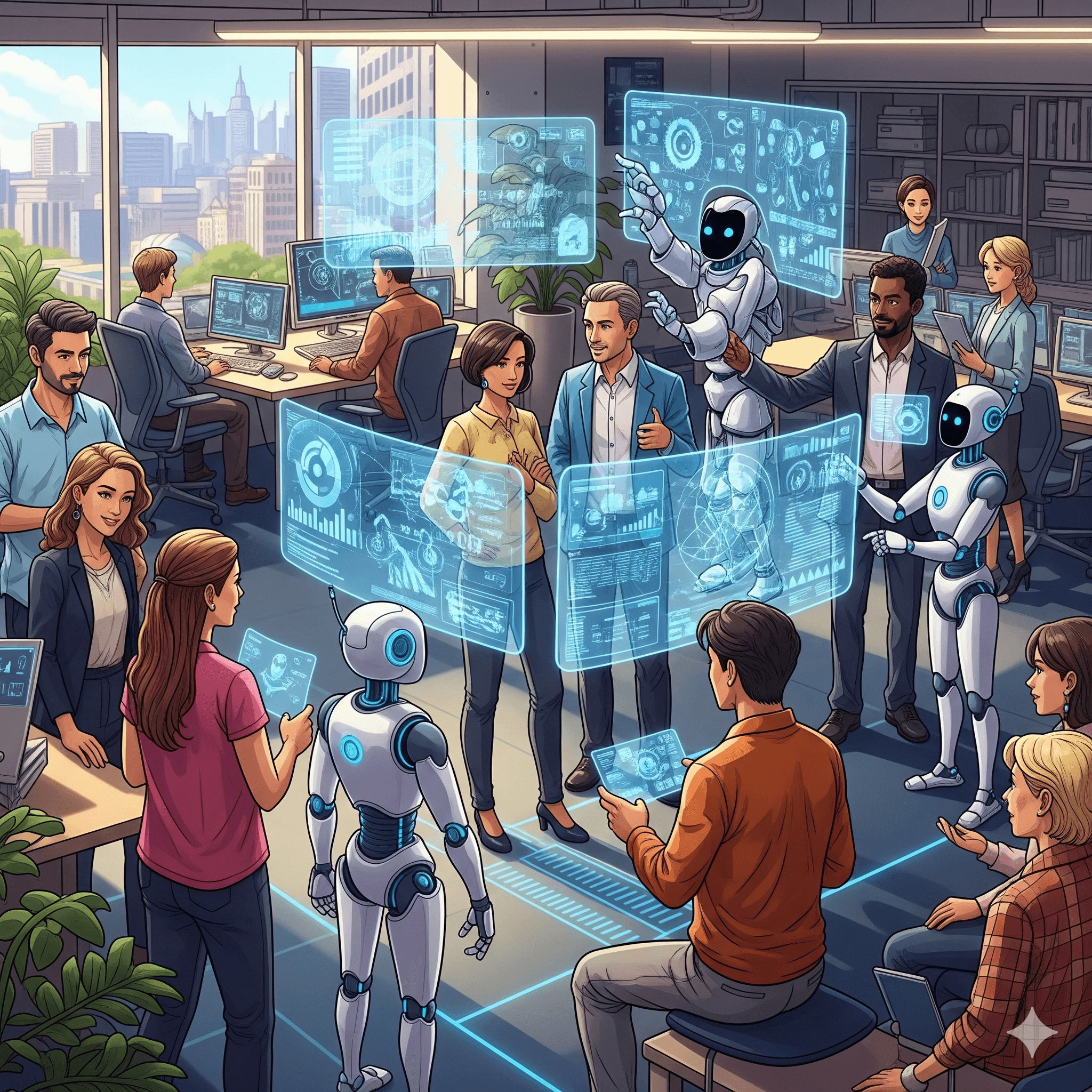
- Human-AI Collaboration Roles – Jobs where humans oversee AI-driven outputs, ensuring fairness, creativity, and ethical alignment.
The Case for Job Replacement
At the same time, routine jobs will continue to be automated. Roles involving repetitive manual or administrative work may decline significantly. The key question isn’t whether some jobs will vanish, but how fast reskilling and adaptation can take place.
The Human Advantage
AI is powerful, but it lacks empathy, creativity, and human judgment. Skills in leadership, innovation, problem-solving, and adaptability will be the most valuable in the coming decades. Organizations that help people bridge the skill gap will play a critical role in shaping the workforce of 2035.
This is where training and employment-focused initiatives matter. For instance, professional networks like Meritude, which specialize in training, employment, and educational services, are already equipping individuals with the tools needed to thrive in an AI-powered economy. Quietly but effectively, such organizations are ensuring that people don’t just survive technological change — they excel in it.
Final Thoughts
By 2035, AI will replace many jobs — but it will also give birth to careers we haven’t yet imagined. The future belongs to those who are prepared to learn, unlearn, and reskill. Rather than fearing AI, the smarter move is to embrace it, align with forward-thinking organizations, and adapt to the opportunities it brings.