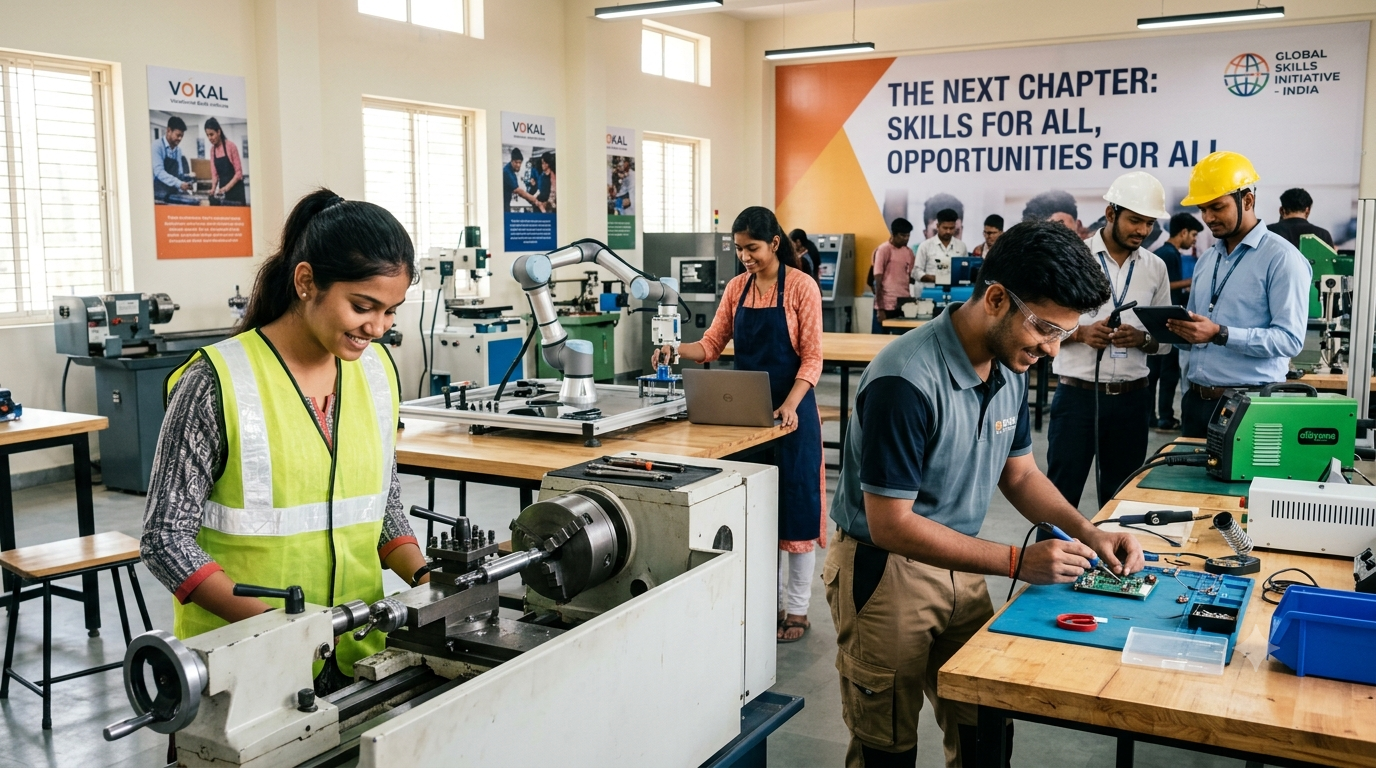
The world of work is changing faster than ever before. New technologies, shifting industries, and evolving workforce demands are redefining what it means to build a successful career. In this new landscape, vocational education is entering an exciting new chapter, one that focuses on inclusivity, accessibility, and lifelong learning.
Today, vocational education is no longer seen as an alternative pathway. Instead, it is becoming a vital part of preparing individuals for the future of work. By promoting practical skills and creating opportunities for diverse learners, vocational education is helping build a more resilient and inclusive workforce.
Why Vocational Education Matters More Than Ever
Industries across the globe are facing skill shortages. Employers are looking for professionals who possess practical abilities and can contribute immediately in the workplace.
Traditional education remains valuable, but many industries also require hands-on expertise and technical competencies. As a result, vocational education has become an important solution for addressing workforce gaps and improving employability.
From construction and healthcare to information technology and hospitality, skill-based careers continue to expand, creating new opportunities for learners from different backgrounds.
Skills for All: Expanding Access to Learning
One of the most significant changes in vocational education is its growing accessibility. Training providers and educational institutions are developing flexible learning options that reach a wider audience.
For example, learners can now access:
- Online and hybrid training programs
- Short-term certification courses
- Industry-specific workshops
- Upskilling and reskilling programs
Because of this, vocational education is becoming more inclusive and helping individuals gain valuable skills regardless of age, background, or previous education.
This focus on accessibility supports the idea that everyone should have the opportunity to learn and develop professionally.
Opportunities for All: Building Career Pathways
Vocational education does more than teach technical skills. It creates pathways to meaningful employment and long-term career growth.
Many vocational programs are designed in collaboration with industries to ensure that training aligns with real workplace requirements. As a result, learners gain practical experience and develop skills that employers actively seek.
Moreover, vocational credentials often serve as stepping stones for future career advancement. Individuals can continue learning, pursue advanced certifications, and move into leadership or specialized roles.
This approach transforms vocational education into a lifelong journey of professional development.
The Role of Technology in the Next Chapter of TVET
Technology is reshaping how vocational education is delivered. Digital learning platforms, simulations, and virtual training environments are improving access to quality education.
For instance, learners can now practice technical skills through interactive tools and receive training that reflects modern workplace environments.
In addition, digital technologies make it easier for institutions to update curricula and respond quickly to industry changes.
As industries continue to evolve, technology will play an increasingly important role in making vocational education more effective and accessible.
Collaboration Is Driving Change
The future of vocational education depends on collaboration between governments, industries, educators, and skill development organizations.
These partnerships help ensure that training programs remain relevant and aligned with workforce demands. They also create opportunities for internships, apprenticeships, and career placements that strengthen learner outcomes.
Some organizations are quietly contributing to this growing ecosystem by connecting skill development with industry expectations. Meritude, for example, reflects this approach by supporting practical learning pathways and encouraging individuals to explore meaningful career opportunities through skills-based education.
Preparing for a Future of Lifelong Learning
The future workforce will require continuous learning and adaptability. New technologies and changing business models mean that individuals will need to update their skills throughout their careers.
Vocational education is well positioned to support this reality. Its focus on practical training, flexibility, and industry relevance makes it an essential component of lifelong learning.
Therefore, the next chapter of vocational education is not only about preparing young people for their first jobs. It is also about helping workers adapt, grow, and succeed at every stage of their careers.
Conclusion
The next chapter of vocational education is built on a simple yet powerful idea: skills for all and opportunities for all.
By expanding access to learning, strengthening industry partnerships, and embracing innovation, vocational education is creating a more inclusive and future-ready workforce.
As the demand for practical skills continues to rise, vocational education will remain a driving force in helping individuals unlock opportunities, build meaningful careers, and contribute to a stronger economy.