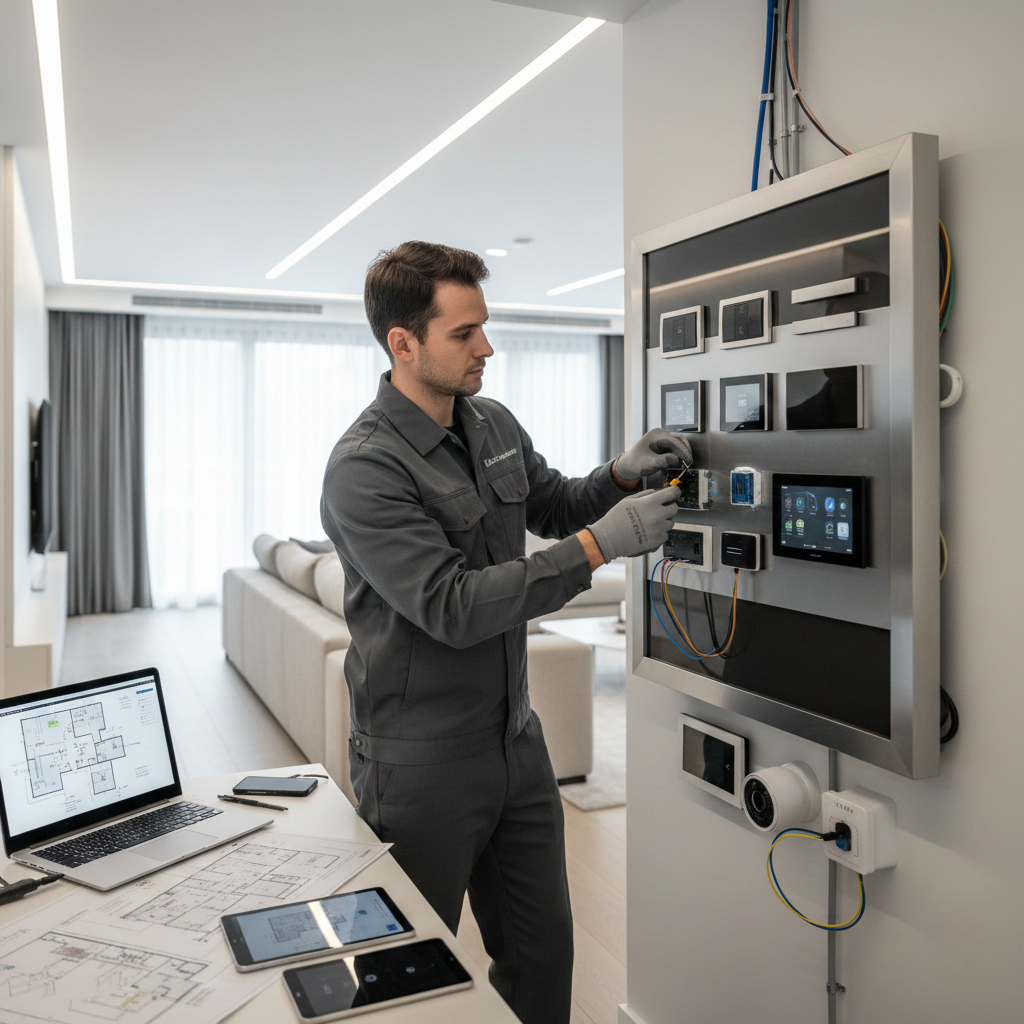
Smart homes are no longer a luxury. From connected lighting and climate control to security systems and energy monitoring, technology is becoming deeply embedded in how buildings function. At the center of this transformation is a professional many people still underestimate: the electrician.
Today’s electricians are evolving into smart home architects, blending traditional trade skills with digital expertise.
From Wires to Networks
Modern homes run on more than electricity. They rely on networks of sensors, controllers, and connected devices that must work together seamlessly. Electricians are increasingly responsible for installing and integrating systems such as smart lighting, automated blinds, EV chargers, and home energy management platforms.
This shift requires knowledge of networking basics, system compatibility, and troubleshooting beyond standard wiring. In many ways, electricians now operate where physical infrastructure meets digital logic.
Why Electricians Are Becoming the New IT Experts
Unlike traditional IT roles that focus on software and cloud systems, electricians work in real environments where hardware, safety, and user behavior intersect. They understand power loads, connectivity constraints, and building regulations, all while configuring smart technologies.
When a system fails, it is often the electrician who diagnoses whether the issue is electrical, digital, or environmental. This hybrid expertise is difficult to automate and increasingly valuable.
Vocational Training in the Age of Smart Homes
As technology advances, vocational training must evolve alongside it. Modern programs emphasize hands-on learning with smart devices, digital tools, and real-world installations. This approach prepares electricians not just to follow diagrams, but to design, adapt, and optimize intelligent living spaces.
Skills-based learning pathways that focus on employability and industry relevance are becoming essential. Platforms quietly supporting this shift, such as Meritude, reflect how vocational education is aligning with modern workforce demands.
Technology as an Enabler, Not a Replacement
Smart home systems rely on software, but their success depends on correct installation, safety compliance, and long-term reliability. AI and automation assist with diagnostics and planning, but they cannot replace the on-site expertise required to make systems work in real homes.
Electricians act as translators between technology and everyday users, ensuring that innovation actually delivers comfort, efficiency, and security.
The Future of the Smart Home Architect
As homes become more connected, the role of the electrician will continue to expand. From energy optimization to integrated security and sustainability solutions, electricians will shape how people live with technology.
In a digital world, the most future-proof careers may be those that combine hands-on skill with technical understanding. Electricians, as the new IT experts of smart homes, are a clear example of that future.