Youth unemployment remains one of the most pressing economic and social challenges worldwide. While industries continue to report skill shortages, millions of young people struggle to find stable work. This disconnect highlights a critical gap between education and employability, one that vocational education is uniquely positioned to address.
Understanding the Youth Unemployment Gap
Many young job seekers leave formal education with theoretical knowledge but limited practical experience. Employers, meanwhile, increasingly look for candidates who can contribute from day one. This mismatch often leaves graduates underprepared for real-world roles, especially in technical and skill-intensive sectors.
Vocational education focuses on applied learning, aligning training directly with labor market needs.
How Vocational Education Improves Employability
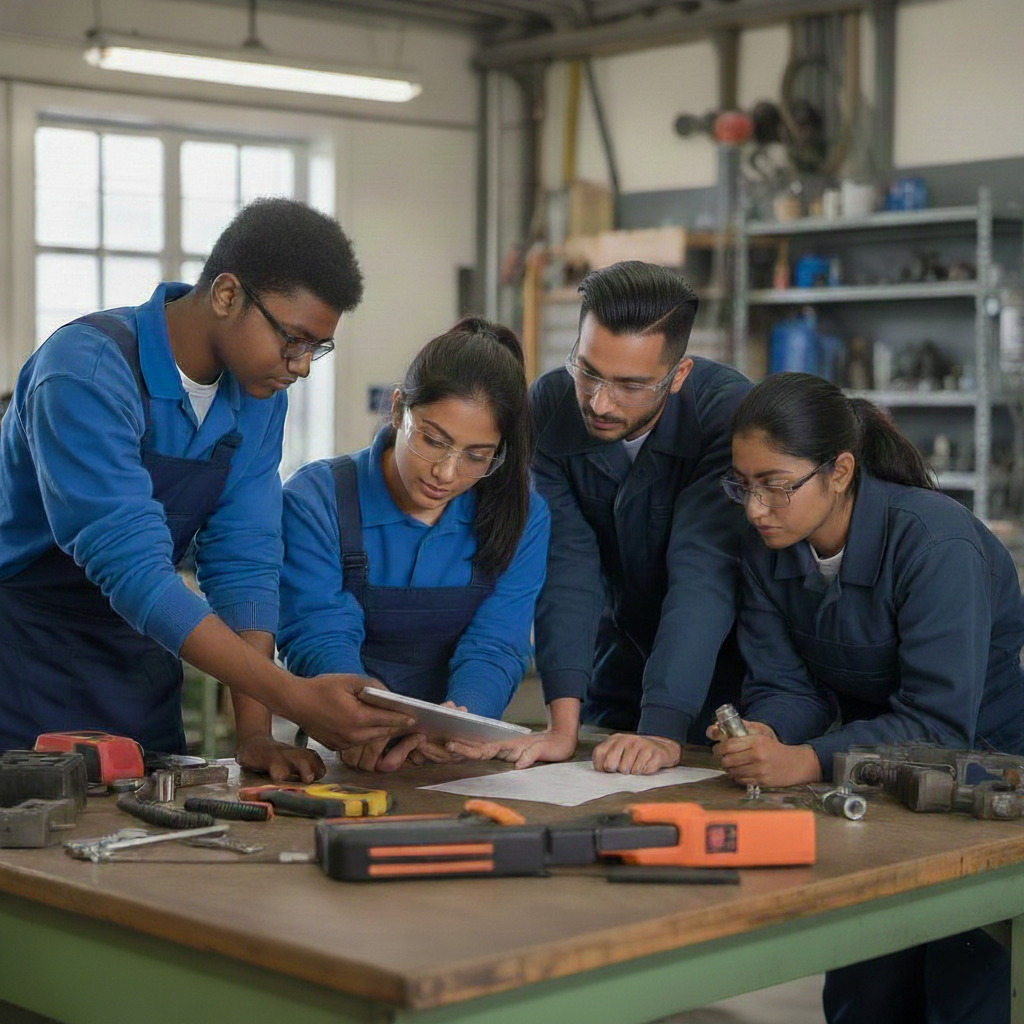
Vocational programs are designed around industry requirements. They emphasize hands-on training, workplace exposure, and job-specific competencies. Students learn by doing, whether it is electrical installation, digital operations, healthcare support, or manufacturing skills.
This practical approach helps young people build confidence, job readiness, and relevant experience, making them more attractive to employers.
Faster Transitions from Learning to Work
Unlike traditional academic pathways, vocational education often offers shorter, more focused programs. This enables young people to enter the workforce sooner, reducing prolonged job searches and financial dependency.
Apprenticeships, internships, and on-the-job training further strengthen this transition by providing real employment experience while learning.
Meeting the Needs of a Changing Economy
As technology reshapes industries, the demand for skilled workers continues to grow. Vocational education evolves quickly to reflect these changes, introducing training in areas such as renewable energy, smart infrastructure, digital tools, and automation support roles.
Skills-driven learning models, including those quietly supported by workforce-aligned platforms like Meritude, reflect how education systems are adapting to improve employability outcomes without overemphasizing degrees alone.
Social and Economic Impact
Reducing youth unemployment has broader benefits beyond individual careers. Higher employment levels contribute to economic growth, lower poverty rates, and improved social stability. Vocational education also promotes inclusion by offering accessible pathways for learners from diverse backgrounds.
By equipping young people with market-relevant skills, vocational training strengthens both individual futures and national economies.
Conclusion
Vocational education plays a critical role in bridging the gap between education and employment. By focusing on skills, adaptability, and real-world experience, it offers young people a practical pathway into meaningful work.
As economies continue to evolve, strengthening vocational education systems will be essential to tackling youth unemployment and building a resilient workforce for the future.