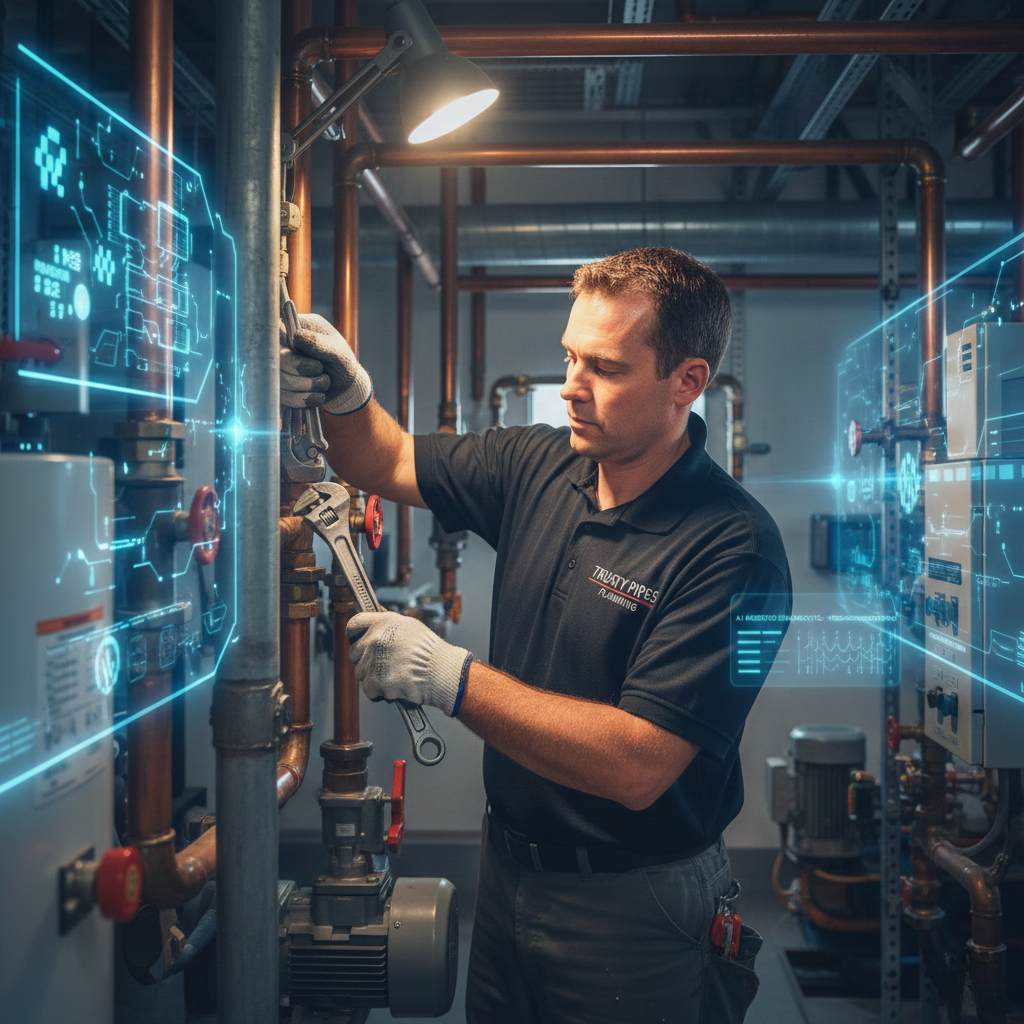
As artificial intelligence continues to automate tasks across industries, many professionals are asking an uncomfortable question: will my job still exist tomorrow? While AI is rapidly transforming offices, analytics, and customer service, some roles remain firmly protected by a powerful advantage. Plumbing is one of them.
Far from being outdated, plumbing is becoming a clear example of why human skill, judgment, and adaptability remain irreplaceable.
Why Plumbing Resists Automation
Plumbing work happens in unpredictable, real-world environments. Every building has unique layouts, aging infrastructure, and hidden complications. Pipes corrode differently, leaks appear in unexpected places, and emergencies demand immediate, hands-on action.
AI systems excel at structured, digital problems. Plumbing requires physical dexterity, spatial reasoning, and on-the-spot decision-making that machines cannot replicate reliably.
The Human Skills Machines Cannot Replace
Problem-Solving in Real Conditions
A plumber often diagnoses issues by sound, pressure changes, and experience, not just diagrams. These sensory judgments are deeply human.
Adaptability on the Job
No two repair sites are identical. Plumbers constantly adjust their approach based on site constraints, safety risks, and customer needs.
Trust and Accountability
Homeowners and businesses rely on plumbers not only to fix problems but to explain risks, recommend solutions, and ensure safety. Trust is a human currency AI cannot earn.
Technology Is Supporting, Not Replacing, Plumbers
While AI cannot replace plumbers, technology is enhancing their work. Smart leak detection, digital blueprints, and predictive maintenance tools help professionals work faster and more accurately. However, these tools still depend on skilled hands and human oversight.
The future belongs to technicians who combine hands-on expertise with digital awareness.
Plumbing as Future-Proof Work
Plumbing represents a broader truth about vocational careers. Jobs rooted in physical skill, local presence, and real-time problem-solving are among the most resilient in the AI era.
This is why skills-first education and vocational pathways are gaining renewed importance. Workforce platforms focused on employability and real-world competence, such as Meritude, reflect this shift toward careers that balance technology with human expertise.
The Human Shield Against Automation
AI may write reports, analyze data, and automate workflows. But when a pipe bursts, a drain backs up, or clean water is at risk, only a trained professional can step in.
Plumbers are not competing with machines. They are protected by the very things that make work meaningful: skill, judgment, and responsibility.