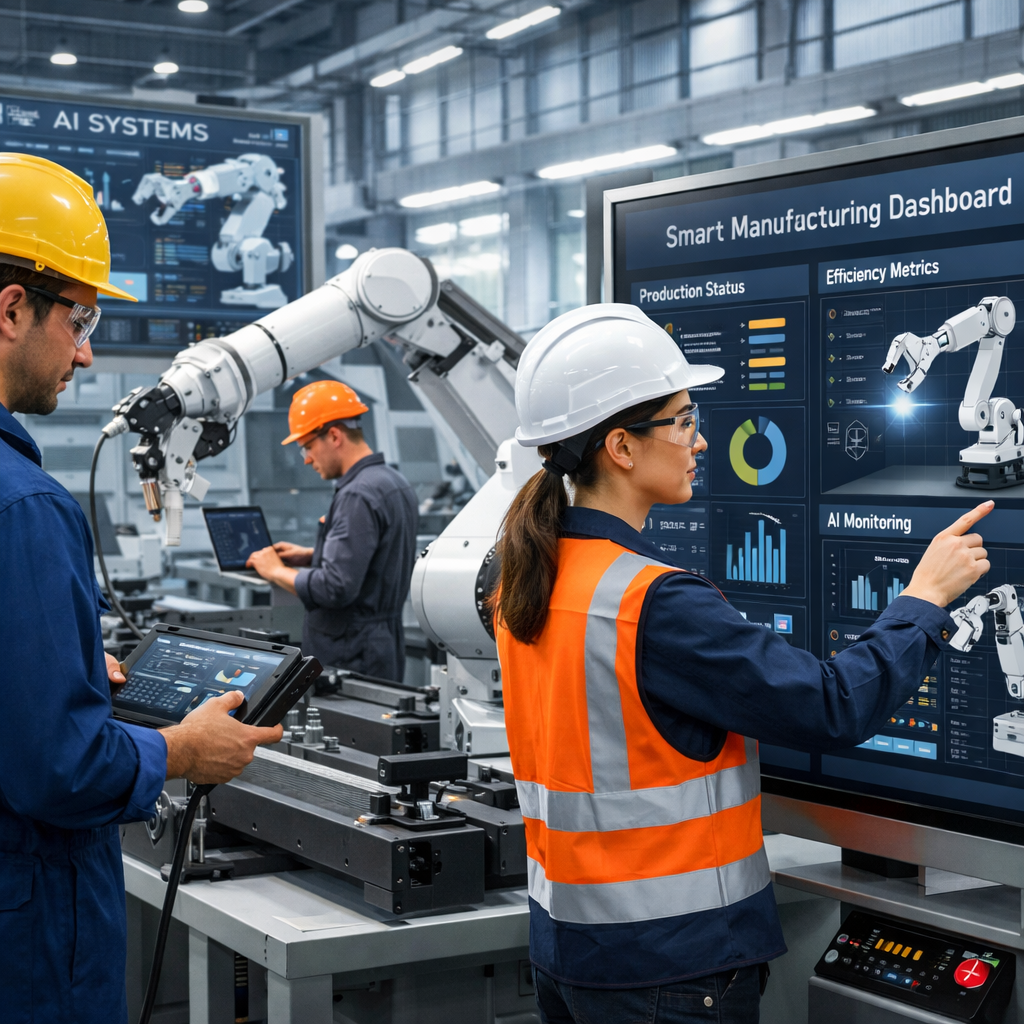
Artificial Intelligence is rapidly reshaping industries, redefining job roles, and transforming how work gets done. From automation tools to advanced data systems, the AI boom has created a strong focus on digital and cognitive skills. However, alongside this visible transformation, another shift is quietly taking place. Vocational careers are gaining renewed importance as industries increasingly depend on skilled professionals who can work with, support, and maintain AI driven systems. This silent rise of vocational careers highlights a crucial reality. The future of work is not only about algorithms and code, but also about skilled hands and practical expertise.
Understanding the AI Driven Workforce
AI is no longer limited to software companies or research labs. It is now embedded in manufacturing, healthcare, logistics, retail, construction, and energy sectors. While AI can automate processes and improve efficiency, it cannot operate independently. Skilled technicians, operators, and service professionals are essential to install, monitor, repair, and optimize AI enabled machines and systems.
This growing dependence has created strong demand for vocational roles such as automation technicians, robotics operators, electrical maintenance professionals, CNC machine operators, and healthcare technicians. These jobs may not always carry the spotlight, but they form the backbone of AI powered industries.
Why Vocational Careers Are Gaining Momentum
1. AI Creates Jobs Beyond White Collar Roles
Contrary to popular belief, AI is not only replacing jobs. It is also creating new ones that require practical and technical skills. Smart factories, automated warehouses, and digital infrastructure need trained personnel who understand both machinery and technology. Vocational careers bridge this gap between digital intelligence and physical execution.
2. Skill Based Roles Offer Faster Employability
Vocational training programs are often shorter, more focused, and aligned with industry needs. In an era where technology evolves quickly, employers value job ready skills over long academic pathways. This makes vocational careers an attractive option for young people seeking faster entry into the workforce.
3. Industry Demand Is Outpacing Supply
Many industries report a shortage of skilled vocational workers, even as demand for AI adoption rises. This imbalance is driving better wages, job stability, and career growth for trained professionals. As AI expands, the need for skilled technicians and operators will only increase.
The Role of Vocational Education in the AI Era
Vocational education plays a critical role in preparing the workforce for AI integrated environments. Modern vocational programs are no longer limited to traditional trades. They now include training in automation systems, industrial electronics, mechatronics, digital fabrication, and smart equipment handling.
By combining hands on learning with basic digital literacy, vocational education equips learners to work alongside AI rather than compete with it. This approach ensures that technological progress translates into inclusive employment growth.
Breaking the Stigma Around Vocational Careers
Despite growing relevance, vocational careers often face social bias. They are still perceived as secondary to academic or corporate roles. This mindset ignores economic realities and workforce trends. In many AI driven sectors, skilled vocational professionals are more employable and in higher demand than general degree holders.
Changing this perception requires awareness among students, parents, educators, and policymakers. Recognizing vocational careers as respected, future ready professions is essential for building a balanced and resilient workforce.
Why the Future Needs Both AI and Skills
AI may drive innovation, but it cannot function in isolation. Every smart system needs skilled people to build, maintain, and improve it. Vocational careers ensure that technology delivers real world value. As AI adoption accelerates, these roles will become even more critical to economic growth and operational stability.
The silent rise of vocational careers is not a temporary trend. It is a structural shift driven by how technology actually works in practice.
Conclusion
The AI boom has changed how we think about jobs, skills, and careers. While much attention is given to software and data roles, vocational careers are quietly emerging as indispensable contributors to the AI driven economy. By investing in vocational education and skill based training, societies can ensure that technological advancement leads to meaningful employment and sustainable growth. The future of work belongs not only to those who build AI, but also to those who make it work.