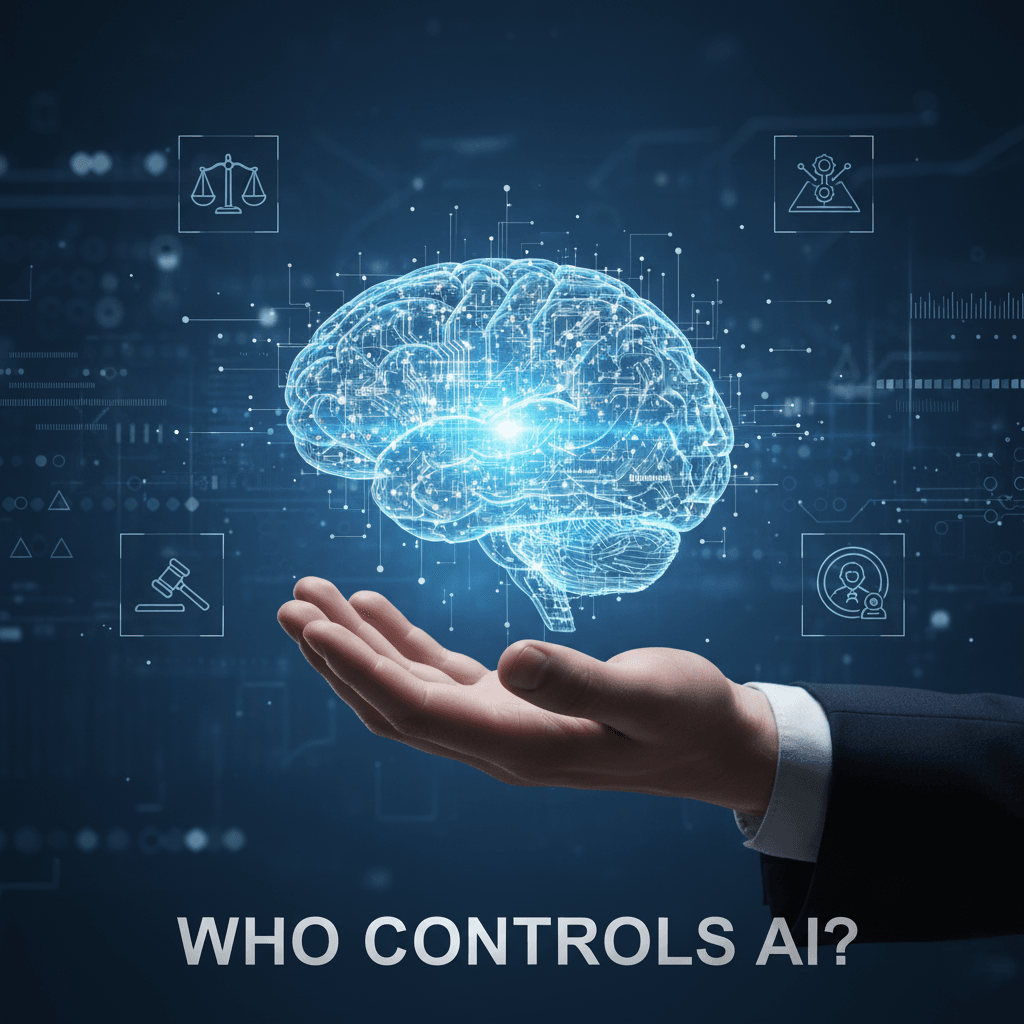
Artificial Intelligence (AI) is transforming how we live, learn, and work — but with this power comes responsibility. The question of who controls AI has sparked one of the biggest ethical debates of our time.
From data privacy and bias to accountability and governance, AI ethics now stands at the crossroads between innovation and moral responsibility.
The Growing Power of Artificial Intelligence
AI has moved far beyond laboratories — it’s in your phone, your car, your home, and even your doctor’s office. It powers job recommendations, voice assistants, and global economic systems.
But as AI systems make decisions that impact lives, from loan approvals to criminal sentencing, we must ask: who ensures these systems act fairly?
The answer lies in ethical AI development, guided by transparency, inclusivity, and human oversight.
The Ethical Dilemma: Innovation vs. Responsibility
AI promises efficiency, but unchecked innovation can lead to serious consequences. Algorithms can inherit bias, misuse data, or act unpredictably.
The dilemma? Balancing rapid AI progress with moral responsibility.
Governments seek to regulate AI, while corporations push for innovation. This tension defines the modern AI era — one where control and ethics must evolve together.
Who Should Control AI?
The question of AI control is not just technological — it’s philosophical.
Let’s explore the key stakeholders:
1. Governments and Regulators
Governments play a critical role in creating AI laws and ethical standards. Frameworks like the EU AI Act are setting global precedents for accountability and fairness.
2. Corporations and Developers
Tech giants drive AI innovation, but their power raises ethical concerns. The responsibility lies in building systems that are transparent, unbiased, and accountable.
3. Society and Users
Ultimately, control over AI must include public awareness and digital literacy. Citizens should understand how AI systems affect their lives and have a voice in how they are used.
The Role of AI Ethics in Building Trust
AI ethics is not about slowing innovation — it’s about building trust.
Ethical frameworks ensure AI decisions are explainable, data is used responsibly, and automation empowers rather than replaces humans.
At Meritude, we believe technology should serve people — not control them. By encouraging education and awareness, we can prepare individuals and organizations to use AI responsibly and effectively.
Challenges in Regulating AI
While ethical AI is the goal, challenges persist:
- Bias in data leading to discrimination.
- Lack of transparency in AI decision-making.
- Global inconsistency in AI laws and enforcement.
- Rapid evolution of technology beyond regulation speed.
To overcome these, we need collaboration — between governments, industries, and educators — to create a truly ethical AI ecosystem.
The Road Ahead: Human-Centered AI
AI’s future must be built on a foundation of human-centered design.
That means:
- Putting people before algorithms.
- Promoting open, explainable AI.
- Encouraging ethics education in technology programs.
AI should reflect our values, not replace them. The goal isn’t just smart machines — it’s a smarter, fairer world.
Conclusion
As AI continues to evolve, so must our understanding of ethics, control, and accountability. The real question isn’t who owns AI — it’s who it serves.
By prioritizing AI ethics, education, and responsible innovation, we can ensure technology enhances humanity rather than challenges it.
At Meritude, we remain committed to empowering learners and organizations to navigate this new era responsibly — one skill, one value, one innovation at a time.