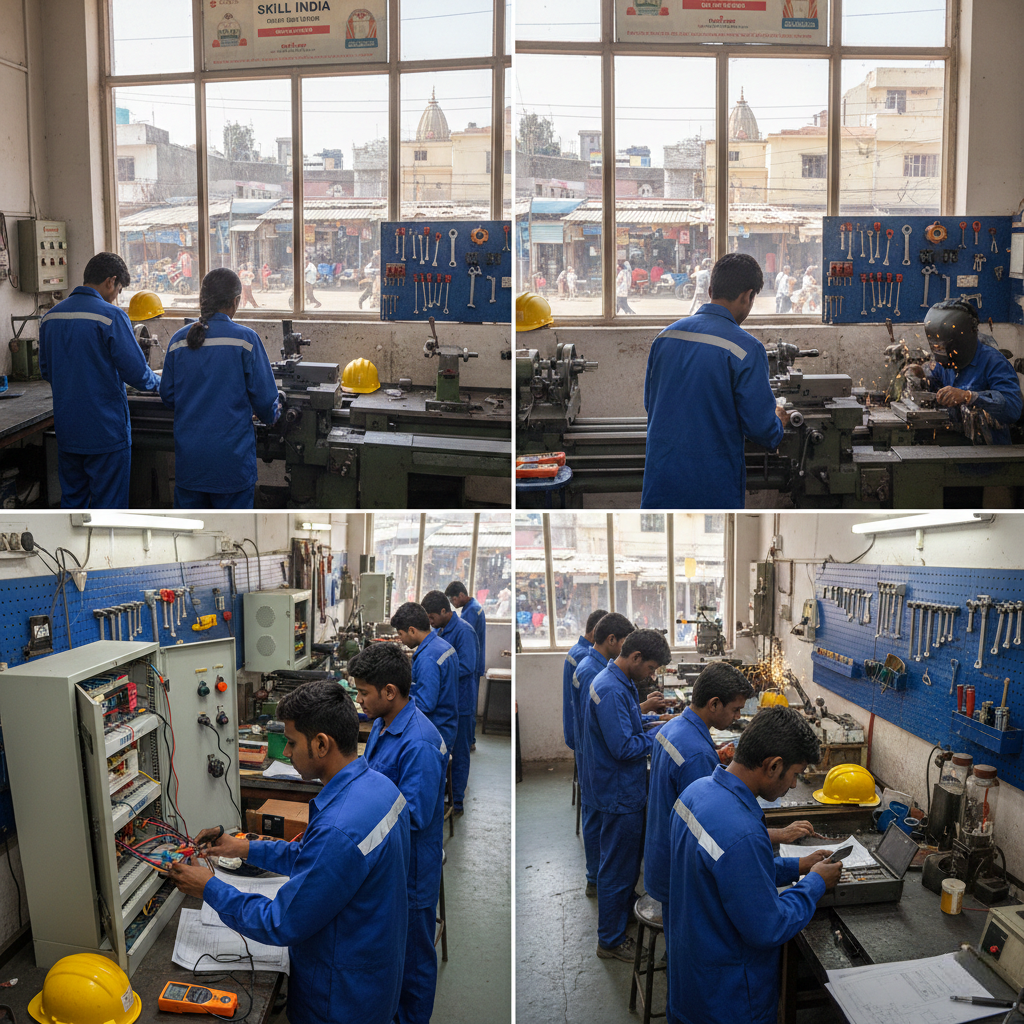
Economic growth does not begin in corporate boardrooms. It begins in classrooms, workshops, and training centers where practical skills are developed and transformed into productive work. Vocational education plays a central role in this process by aligning learning with local industry needs and strengthening community-level economies.
When skills match market demand, regions grow faster and more sustainably.
Bridging the Skills Gap in Local Industries
Many local economies face a persistent skills mismatch. Businesses struggle to find trained workers, while job seekers lack relevant experience. Vocational education addresses this gap by designing programs around real labor market needs.
From construction and manufacturing to healthcare and digital services, vocational training ensures that learners develop competencies that are immediately applicable. This reduces hiring friction and improves workforce productivity.
Supporting Small and Medium Enterprises
Small and medium enterprises are the backbone of most local economies. However, they often lack the resources to train employees from scratch. Vocational institutions supply these businesses with job-ready talent, reducing onboarding costs and increasing operational efficiency.
As more skilled workers enter the workforce, local businesses can expand services, adopt new technologies, and compete more effectively.
Encouraging Entrepreneurship and Self-Employment
Vocational education does more than prepare individuals for jobs. It also equips them with practical skills that can support entrepreneurship. Electricians, mechanics, technicians, and digital service providers frequently establish their own enterprises, creating employment opportunities for others in the community.
This multiplier effect strengthens local income circulation and promotes economic resilience.
Adapting to Emerging Economic Trends
Local economies evolve alongside technology and sustainability demands. Vocational programs can adapt quickly, introducing training in renewable energy, smart infrastructure, automation support, and other growth sectors.
Forward-thinking workforce platforms that focus on employability and market alignment, including initiatives like Meritude, demonstrate how structured skills ecosystems can contribute to stronger regional development outcomes.
Reducing Migration and Strengthening Communities
When meaningful employment opportunities exist locally, young people are less likely to migrate in search of work. This helps maintain community stability, preserves local talent, and supports long-term regional planning.
Vocational education strengthens the economic fabric of communities by ensuring that growth is inclusive and skills-driven.
Conclusion
Vocational education is not simply an alternative pathway. It is a strategic tool for local economic development. By aligning skills with industry needs, supporting entrepreneurship, and improving workforce readiness, vocational training contributes directly to stronger, more sustainable economies.
Communities that invest in practical, job-oriented education position themselves for long-term growth and resilience.