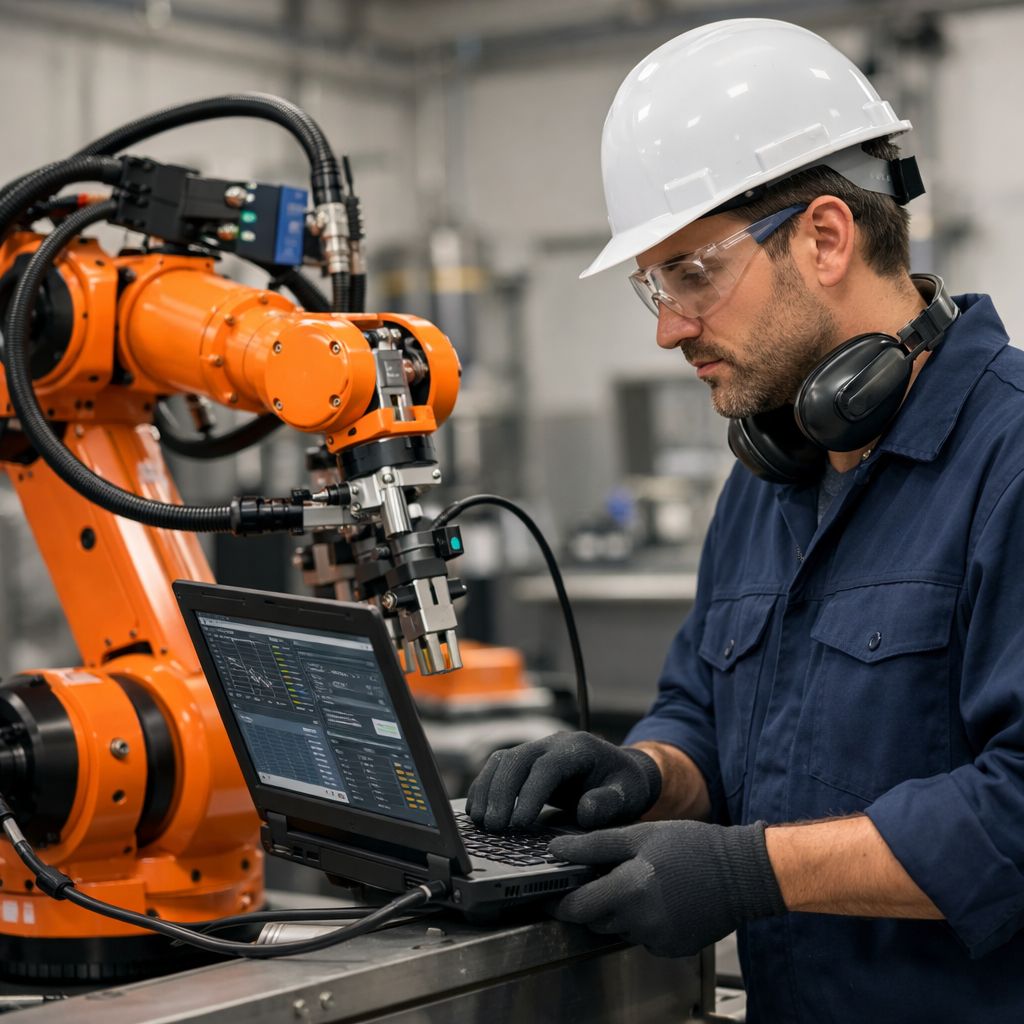
Robots are no longer confined to factory floors. They work in warehouses, hospitals, farms, and offices, performing tasks once handled by humans. As automation expands, a new question emerges: who keeps these machines running? Behind every productive robot is a skilled human professional. This growing need has led to what can be described as the hospital for robots, where trained technicians diagnose, repair, and maintain the machines that now do our jobs.
The Rise of Robots in Everyday Work
Automation is reshaping industries at an unprecedented pace. Robots now handle tasks such as:
- Assembly and packaging
- Inventory management
- Medical assistance and diagnostics
- Precision agriculture
- Logistics and material handling
As reliance on robotic systems increases, downtime becomes costly. This makes robot maintenance a mission-critical function.
What Is the Hospital for Robots
The hospital for robots is not a single place but a concept. It refers to maintenance labs, service centers, and on-site facilities where robotic systems are inspected, repaired, and optimized.
These environments function much like hospitals:
- Fault detection and diagnostics
- Preventive maintenance
- Component replacement
- Software calibration and updates
At the center of it all are robot repair technicians.
Who Are Robot Repair Technicians
Hands-On Problem Solvers
Robot repair technicians combine mechanical, electrical, and digital skills. They troubleshoot real-world problems that automated systems cannot fix themselves.
Bridging Hardware and Software
Modern robots rely on sensors, controllers, and software. Technicians must understand how physical components and digital systems interact.
Safety-Critical Professionals
Repairing robots often involves high-voltage systems and heavy machinery. Proper training ensures safety for both humans and machines.
The Role of Vocational Training
Vocational training is essential for preparing robot repair technicians. These programs focus on:
- Mechatronics and industrial electronics
- Robotics maintenance and diagnostics
- Control systems and automation
- Workplace safety and compliance
Hands-on training allows learners to work directly with robotic systems, building job-ready expertise.
Why These Skills Matter in the Future of Work
As robots take over repetitive tasks, human roles shift toward oversight, maintenance, and optimization. Robot repair technicians ensure:
- Operational continuity
- Reduced downtime and costs
- Safe human-robot collaboration
This makes their role both future-proof and indispensable.
Career Opportunities in Robot Maintenance
Trained professionals can work in:
- Manufacturing and smart factories
- Warehousing and logistics centers
- Healthcare automation
- Research and development labs
- Robotics service and integration firms
These roles offer strong demand, competitive compensation, and long-term growth.
Conclusion
Automation does not eliminate human work. It changes it. As robots become essential workers, the need for skilled professionals who care for them grows just as fast. The hospital for robots is powered by human expertise, technical skill, and vocational training.
In the future of work, those who repair the machines will be just as important as the machines themselves.