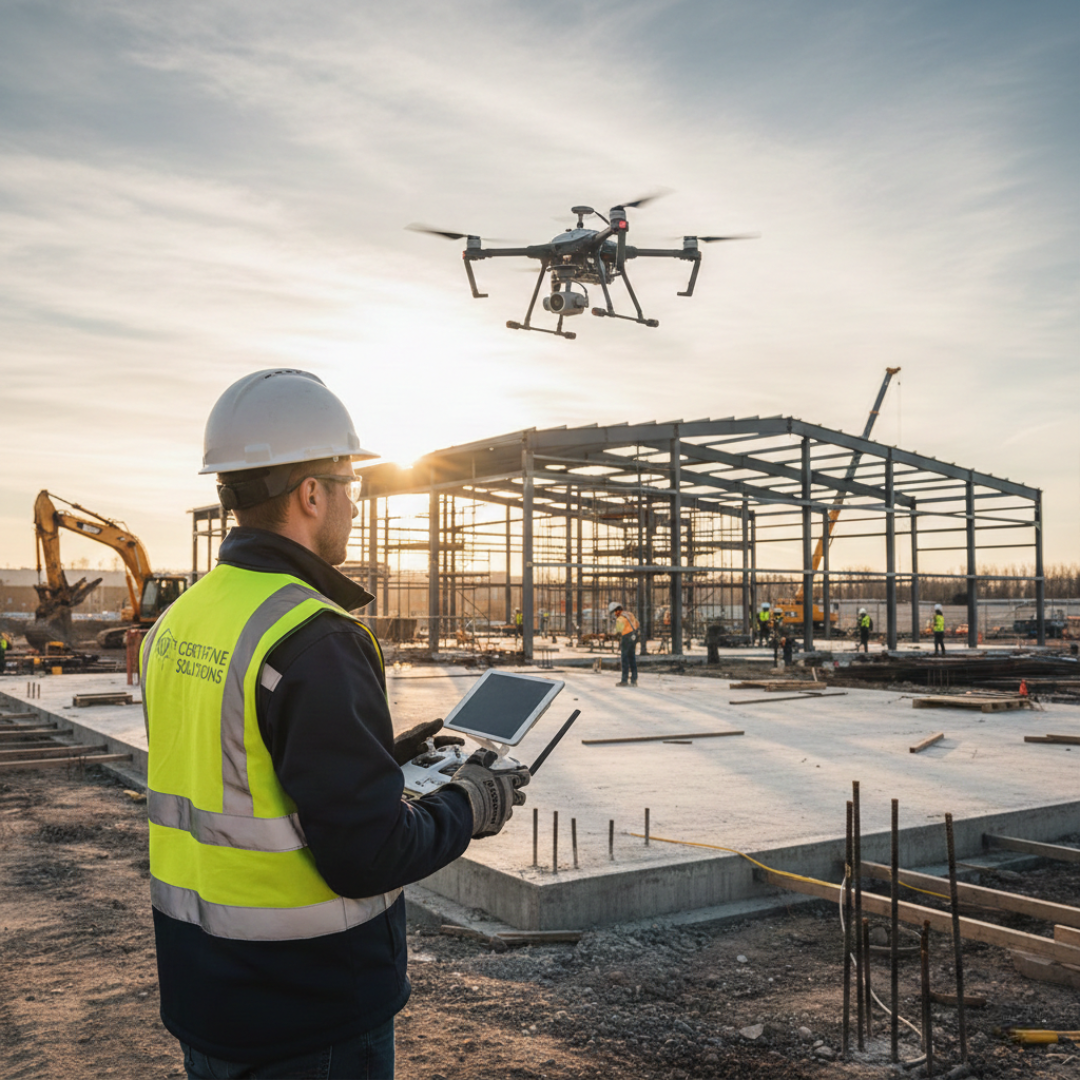
Once limited to hobbyists and military use, drones are now transforming industries. From infrastructure inspections to agriculture and logistics, drones are creating a new class of skilled professionals. Today’s drone pilots are becoming the new blue-collar high-flyers, combining hands-on technical skills with digital tools to deliver real-world impact. Vocational training is playing a critical role in preparing this workforce for high-demand, high-skill roles.
The Rise of Drone Pilots in the Workforce
Drone technology has moved rapidly from novelty to necessity. Industries are adopting drones to improve efficiency, reduce costs, and enhance safety.
Drone pilots are now in demand across:
- Construction and infrastructure inspection
- Agriculture and precision farming
- Energy and utilities
- Logistics and delivery services
- Media and mapping services
This shift has turned drone operation into a viable and respected skilled profession.
Why Drone Pilots Are the New Blue-Collar Professionals
Skill-Based, Not Degree-Dependent
Most drone pilot roles do not require traditional academic degrees. Instead, they demand practical training, certification, and real-world experience.
Hands-On Technical Expertise
Drone pilots must understand equipment handling, flight control, safety protocols, data capture, and maintenance. These hands-on skills define modern blue-collar excellence.
Technology-Enabled Work
While rooted in physical skills, drone piloting also involves software tools, analytics, and digital workflows, making it a hybrid trade for the modern era.
The Role of Vocational Training in Drone Careers
Structured Skill Development
Vocational training programs teach flight operations, airspace regulations, equipment maintenance, and data processing in a structured and practical manner.
Safety and Compliance
Drone pilots must follow aviation regulations and safety standards. Formal training ensures compliance and responsible operation.
Fast Entry Into the Job Market
Short-term vocational courses allow learners to enter the workforce quickly, meeting the growing demand for certified drone professionals.
Career Opportunities for Drone Pilots
Trained drone pilots can pursue roles such as:
- Survey and inspection operators
- Agricultural drone specialists
- Emergency response support operators
- Mapping and geospatial technicians
- Freelance commercial drone pilots
These roles offer flexibility, competitive earnings, and opportunities for specialization.
Economic and Industry Impact
Drone pilots help organizations reduce operational risks, lower costs, and improve decision-making. Their work enhances safety by minimizing the need for humans in hazardous environments.
For workers, drone piloting provides access to future-ready careers that blend physical skill with technology.
The Future of Drone-Based Trades
As drone technology evolves, demand for skilled pilots will continue to grow. Advanced applications such as autonomous flight support, AI-powered analysis, and smart infrastructure monitoring will further expand career opportunities.
Vocational training will remain the foundation for preparing drone pilots who can adapt to these advancements.
Conclusion
Drone pilots represent a new generation of blue-collar professionals. They demonstrate that skilled trades are evolving, not disappearing. Through vocational training, individuals can access high-growth careers that combine hands-on expertise with cutting-edge technology.
The sky is no longer the limit. It is the workplace.