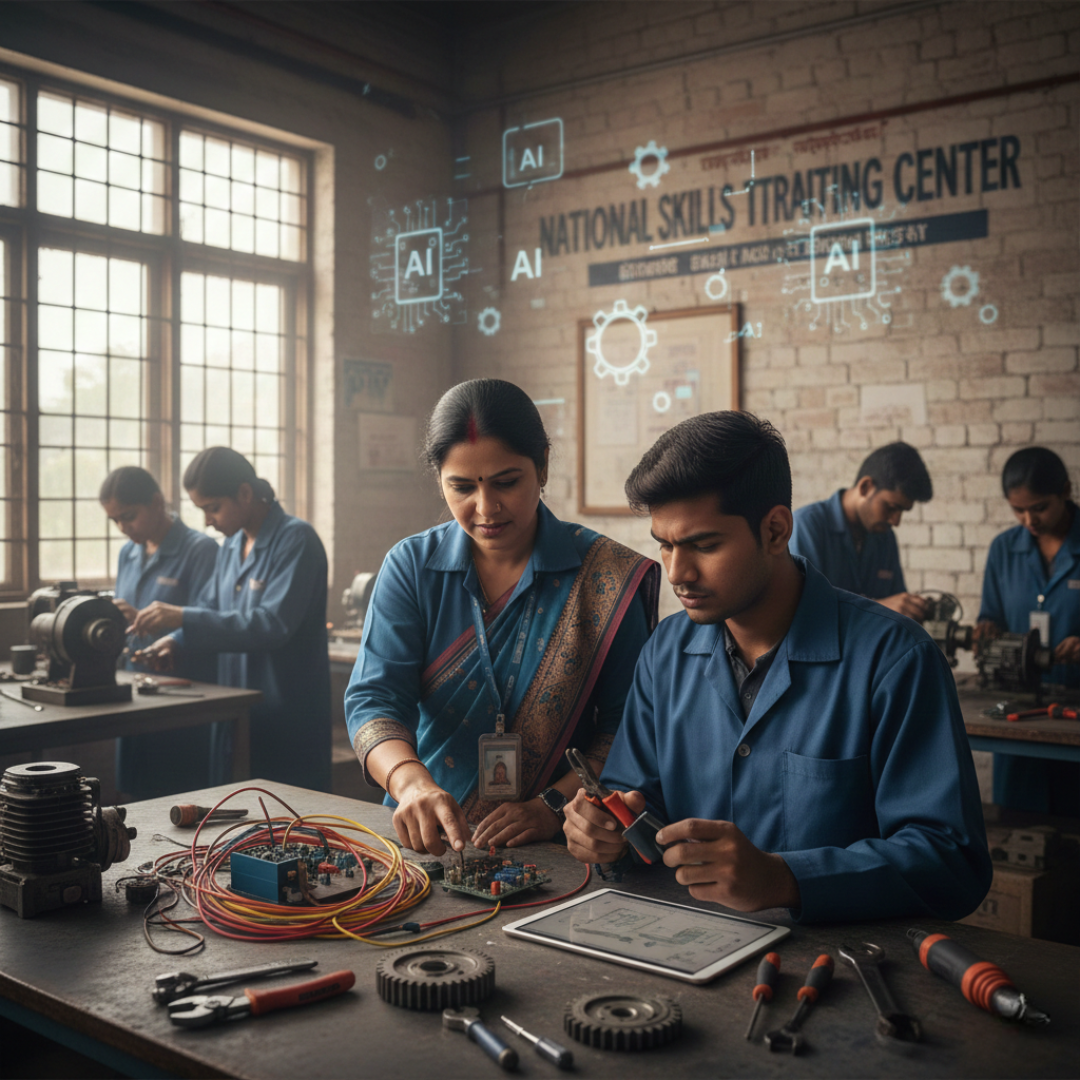
Automation and artificial intelligence are transforming how work gets done. While machines excel at repetitive and data-driven tasks, they struggle with skills that require human judgment, adaptability, and hands-on expertise. This is where vocational training proves its long-term value. By focusing on skills machines can’t replace, vocational education prepares individuals for resilient careers in a rapidly changing job market.
Why Machines Cannot Replace Human Skills
Hands-On Problem Solving
Many vocational roles require diagnosing real-world issues and adapting solutions on the spot. Electricians, technicians, healthcare assistants, and mechanics regularly encounter unique challenges that machines cannot anticipate.
Human Judgment and Decision-Making
Machines operate on predefined data. Vocational professionals rely on experience, intuition, and situational awareness to make safe and effective decisions.
Interpersonal and Communication Skills
Vocational roles often involve direct interaction with people. Understanding needs, explaining solutions, and building trust are inherently human abilities.
Vocational Training and Human-Centered Skills
Practical Learning in Real Environments
Vocational training emphasizes hands-on practice in workshops, labs, and on-site settings. This experiential learning builds skills that automation cannot replicate.
Adaptability in Dynamic Workspaces
Vocational professionals learn to work in changing environments, whether it is a construction site, healthcare facility, or industrial plant.
Ethical Responsibility and Safety Awareness
Many vocational roles are safety-critical. Training instills responsibility, compliance, and ethical judgment that machines cannot independently manage.
Examples of Skills Machines Can’t Replace
- Technical troubleshooting and diagnostics
- Craftsmanship and precision work
- Care-based and service-oriented skills
- On-site coordination and teamwork
- Real-time risk assessment
These skills remain essential across industries despite technological advancements.
Why Vocational Training Is Future-Proof
Alignment With Labor Market Needs
Vocational programs are closely aligned with industry requirements, ensuring learners develop relevant and in-demand skills.
Continuous Skill Upgradation
Vocational education promotes lifelong learning, enabling workers to adapt as tools and technologies evolve.
Economic and Career Resilience
Workers with practical, human-centered skills are less vulnerable to automation-related job displacement.
The Broader Impact on the Workforce
A strong vocational training ecosystem benefits individuals, industries, and economies. It supports workforce stability, productivity, and inclusive growth by focusing on skills that complement technology rather than compete with it.
Conclusion
As machines take over routine tasks, human skills become more valuable than ever. Vocational training plays a crucial role in nurturing these irreplaceable capabilities, ensuring workers remain relevant, adaptable, and confident in the future of work.
Investing in vocational education is not just about employment. It is about preserving the human element in an increasingly automated world.