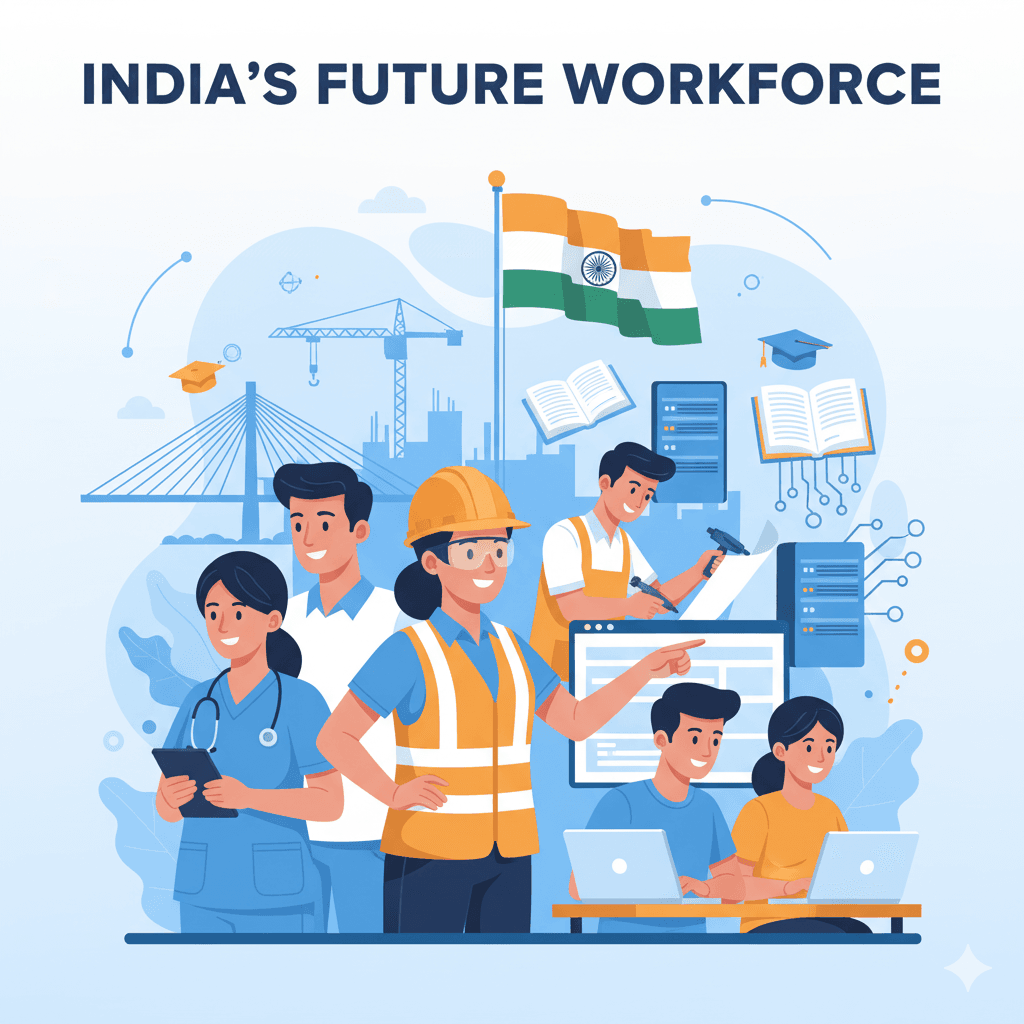
Vocational training is the foundation of India's future workforce and national development. Vocational training has emerged as a critical pillar in India's quest for sustainable development and economic growth. As the nation strives to build a skilled workforce capable of addressing the demands of the 21st century through specialized programs, the role of such education has never been more important. This guide explores how vocational training builds the foundation for national development and shapes India's future.
The Importance of Vocational Training in India
India's demographic dividend presents both an opportunity and a challenge. With a young population entering the workforce annually, the country needs innovative approaches to skill development. This practical education provides industry-relevant knowledge that bridges the gap between theoretical learning and real-world application.
Unlike traditional academic education, vocational programs focus on equipping students with hands-on skills in fields such as construction, manufacturing, hospitality, information technology, and healthcare. This direct alignment with industry needs makes vocational graduates highly employable and valuable to employers.
Key Areas of Vocational Development
Skill Development and Employment
These programs directly impact employment rates. By providing targeted skill development in high-demand sectors, they enable individuals to secure better-paying jobs and contribute meaningfully to the economy. Apprenticeships, technical diplomas, and certification courses create pathways for both school leavers and mid-career professionals.
Industry-Academia Collaboration
Effective vocational training requires strong partnerships between educational institutions and industries. This collaboration ensures that curriculum remains relevant to market demands, equipment is modern, and instructors have practical experience. Organizations committed to vocational excellence maintain these partnerships to deliver world-class training.
Economic Growth and Productivity
A skilled workforce drives productivity and innovation. When workers are properly trained in their respective fields, industries become more efficient, competitive, and capable of attracting foreign investment. This creates a positive multiplier effect that generates economic growth across sectors. Research from the World Economic Forum demonstrates how skill development directly impacts GDP growth.
Building India's Future Workforce
The transformation of India's workforce through vocational training involves several strategic components:
- Curriculum Innovation
- Cutting-edge programs integrate emerging technologies like artificial intelligence, renewable energy, and digital marketing. Leading institutions continuously update their curricula to stay ahead of industry trends, ensuring students learn skills that will remain relevant throughout their careers.
- Infrastructure and Equipment
- Quality programs require well-equipped labs, workshops, and simulation centers. Institutions that invest in modern infrastructure provide students with hands-on experience using industry-standard tools and technologies.
- Instructor Excellence
- Instructors must combine theoretical knowledge with practical expertise. Regular training and industry exposure help them maintain their relevance and effectiveness, which directly benefits student outcomes.
- Accessibility and Inclusivity
Making vocational training accessible to all sections of society—regardless of economic background or geographical location—is crucial. Online platforms, scholarship programs, and community centers have expanded access to quality vocational education.
The Role of Institutional Excellence
Organizations dedicated to vocational training excellence play a vital role in this transformation. They understand that effective vocational education requires:
- A commitment to quality instruction and modern curriculum
- Strong industry partnerships and connections
- Investment in latest technology and training equipment
- Flexible learning formats including online and offline options
- Focus on practical skills with immediate employment prospects
- Continuous evaluation and improvement of training programs
Institutions that embody these qualities create significant value for students and employers alike, contributing substantially to national workforce development.
Challenges and Opportunities
While vocational training offers immense potential, challenges remain:
- Social Perception: Overcoming the perception that vocational education is inferior to academic education
- Infrastructure Gaps: Ensuring all regions have access to quality vocational facilities
- Industry Integration: Strengthening the link between training and actual job placements
- Funding: Securing adequate resources for quality program delivery
However, these challenges present opportunities for growth and innovation in the vocational sector.
Conclusion
Vocational training is instrumental in building India's future workforce and driving national development. By providing practical skills, creating employment opportunities, and supporting economic growth, vocational education addresses the core needs of individuals and society alike. As India continues on its development journey, institutions that prioritize excellence in vocational training will play an increasingly important role in shaping a prosperous, skilled, and competitive workforce.
The future of India's workforce depends on the quality and accessibility of vocational training available today. By investing in education and supporting training programs, India can unlock its full potential and build a workforce equipped to lead in the global economy. Quality vocational education is the foundation for sustainable national development and economic prosperity.